
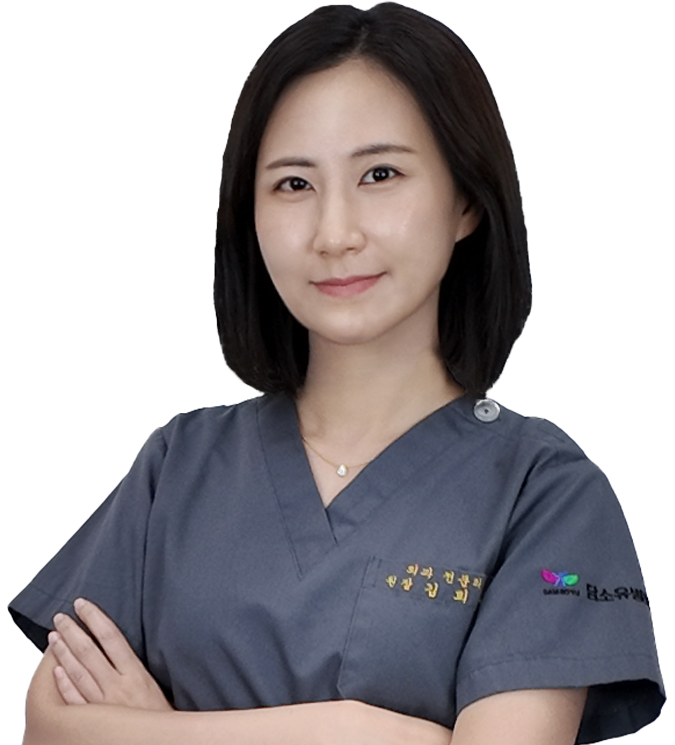
김희주
Breast and thyroid surgeon
Clinical specialties
- Accessory breast tissue
- Gynecomastia
- Mammotome vacuum-assisted procedures for benign breast tumors; thyroid conditions
DAMSOYU HOSPITAL · BEFORE YOUR VISIT
Considering axillary breast tissue removal in Seoul? Learn about accessory breast tissue, surgery costs, recovery and arm movement at Damsoyu Hospital.
Start with your situation
Accessory breast tissue is breast tissue outside the usual breast area. In the underarm, it is often called axillary breast tissue and needs to be distinguished from underarm fat. Damsoyu uses ultrasound or mammography to identify glandular tissue. Surgery involves removing the accessory glandular tissue and planning liposuction of the surrounding fat.
Ultrasound or mammography checks for glandular tissue. Tell the clinician if underarm swelling or pain changes with your menstrual cycle. If there is a lump, they will assess the accessory tissue and check for other possible breast conditions.
Accessory breast tissue can respond to hormonal changes. Damsoyu describes swelling or pain between the breast and armpit during menstruation, pregnancy, or breastfeeding after childbirth. Tell the clinician when swelling or pain occurs, as well as how the area usually looks.
The armpit is the most common location for accessory breast tissue. Appearance alone cannot show whether glandular tissue is present. Ultrasound and other appropriate breast imaging help identify the tissue and check for other causes of a lump.
| Term or topic | What it means | What to ask |
|---|---|---|
| Underarm fullness or a lump | Several conditions can cause changes in the underarm. | What assessment is needed to understand this change? |
| Accessory or axillary breast tissue | Breast tissue outside the usual breast area that may respond to hormonal changes. | Are changes with periods, pregnancy or breastfeeding relevant? |
| Removal and liposuction | The tissue and areas proposed for treatment. | Is one side or both sides included, and what does each procedure address? |
The surgeon needs more than the appearance of an underarm bulge to plan accessory breast surgery. Imaging checks for glandular tissue, and the examination assesses the surrounding fat, skin folds or looseness, and any accessory nipple.
Tell the surgeon about pain or swelling around your period and any changes after pregnancy or childbirth. Together with the examination, this helps them explain gland removal, liposuction, and loose skin, and discuss when to operate.
At Damsoyu, glandular tissue is removed through an underarm incision, and liposuction shapes the surrounding fat. The surgeon plans how much to remove based on where these different tissues lie and the condition of the skin.
The technique Damsoyu calls “Magic accessory breast surgery” removes glandular tissue through a small incision inside the armpit, then uses liposuction to contour the surrounding fat. Its FAQ describes an incision of about 1 cm, which may extend to 1.5–2 cm when the skin is particularly loose.
Gland removal and liposuction treat different tissues. Ask which areas each will cover in your operation. A small incision can still leave a scar, and its appearance depends on your skin and how it heals.
Related research from Damsoyu
Damsoyu researchers used the Damsoyu–Lee (DL) classification to describe types of accessory breast tissue and compare symptoms and surgical outcomes before pregnancy and after childbirth. The study examines shape alongside pregnancy-related changes.
Aesthetic Plastic Surgery · 2018 · 42:1231–1243
DOI: 10.1007/s00266-018-1128-8The team uses the consultation and test results to decide whether surgery is needed, then monitors recovery afterward. If you plan to have surgery on the day of your appointment, ask how to prepare and how long to expect to stay when booking.
Bring recent test results, a medication list, and details of previous surgery or anesthesia. Follow the fasting and medication instructions given for your appointment.
Ultrasound or mammography helps identify glandular tissue and distinguish other conditions. The surgeon assesses both sides and the skin before explaining the incision location and treatment extent.
The team explains the planned operation and arranges preoperative tests. An anesthesiologist manages anesthesia and monitors you during surgery.
The team checks your recovery from anesthesia and surgery before deciding when you can leave. Before discharge, confirm instructions for meals, wound care, activity, and contacting the hospital.
The official fee schedule lists individual items such as rooms, tests, materials and certificates. A personal surgical estimate depends on the treatment plan and insurance eligibility.
Fees not covered by Korean health insurance (Korean) ↗| Item | What to check |
|---|---|
| Tissue assessment | Which examinations and existing reports are relevant? |
| One or both sides | Which side and treatment area does the estimate cover? |
| Removal and liposuction | Which parts of the proposed procedure are included? |
| Anesthesia and aftercare | What is included for supplies, wound care and follow-up? |
Use this checklist to ask what applies to your care. Items are not necessarily required or included in an estimate.
Confirm whether the estimate covers one or both sides, gland removal, liposuction, compression garments, and follow-up. Ask whether postoperative ultrasound and additional care are included.
Ask your insurer which documents it needs, then request them from the hospital. Damsoyu offers admission/discharge certificates, treatment/attendance certificates, and medical certificates in Korean or English. Outpatients and patients who have been discharged register and speak with the treating doctor before applying. Inpatients are advised to ask the ward nurse the day before discharge. Check the fee for each document.
Document types and application process (Korean) ↗Ask the hospital how your care will be billed. Ask your insurer whether the proposed treatment abroad is covered, whether prior approval is needed and which documents to keep. Check any Korean health insurance eligibility separately if it is relevant to you.
The hospital FAQ advises wearing a compression garment for approximately two weeks. Light exercise can usually start after two weeks and strength training after four weeks, according to the same guide. Follow-up averages two to three visits, about a week apart. Your schedule will be adjusted to the operation and how you recover.
Meet the clinicians listed on Damsoyu Hospital’s official treatment page and explore their clinical specialties.
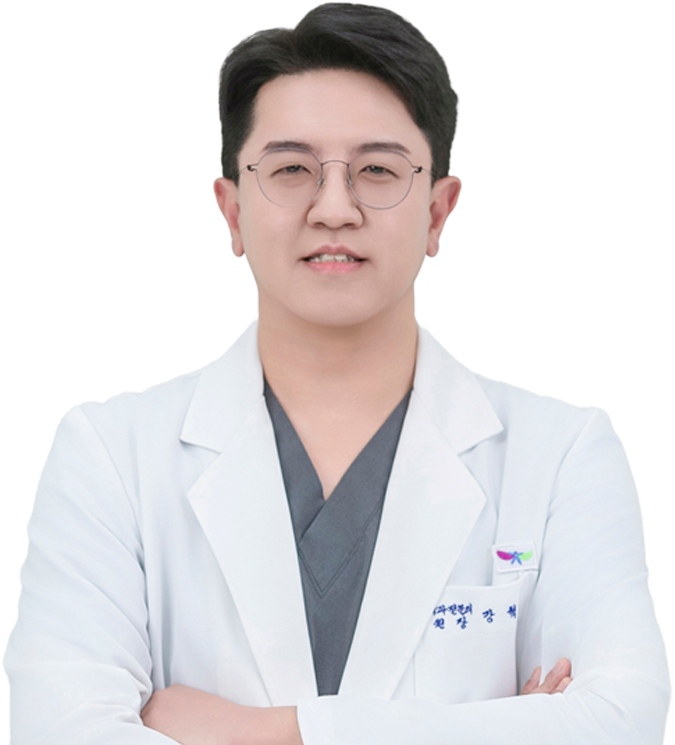
Breast and thyroid surgeon
Clinical specialties
Breast and thyroid surgeon
Clinical specialties
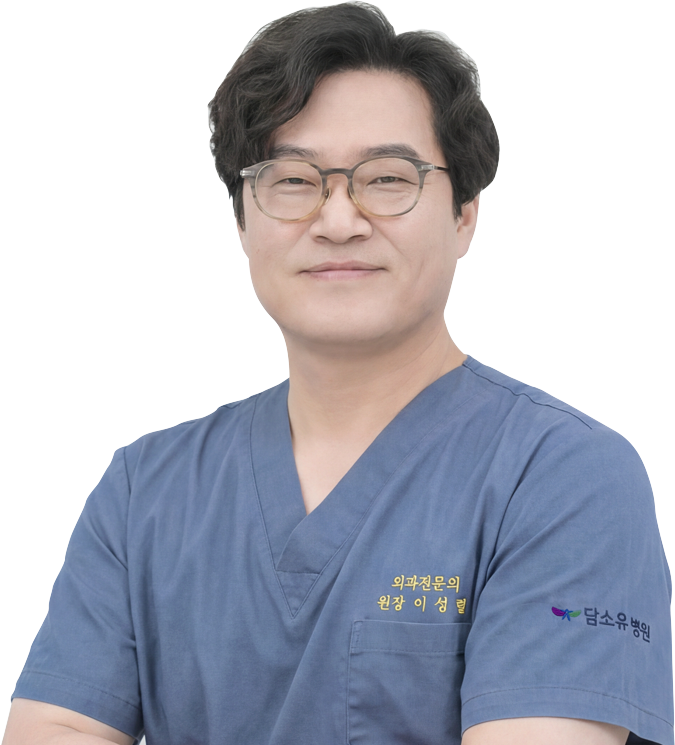
Surgeon · PhD in medicine
Clinical specialties
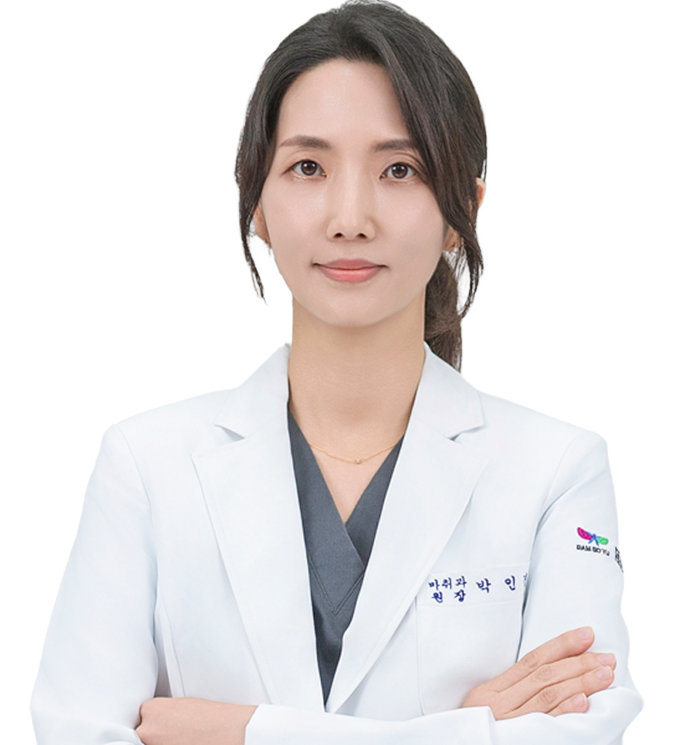
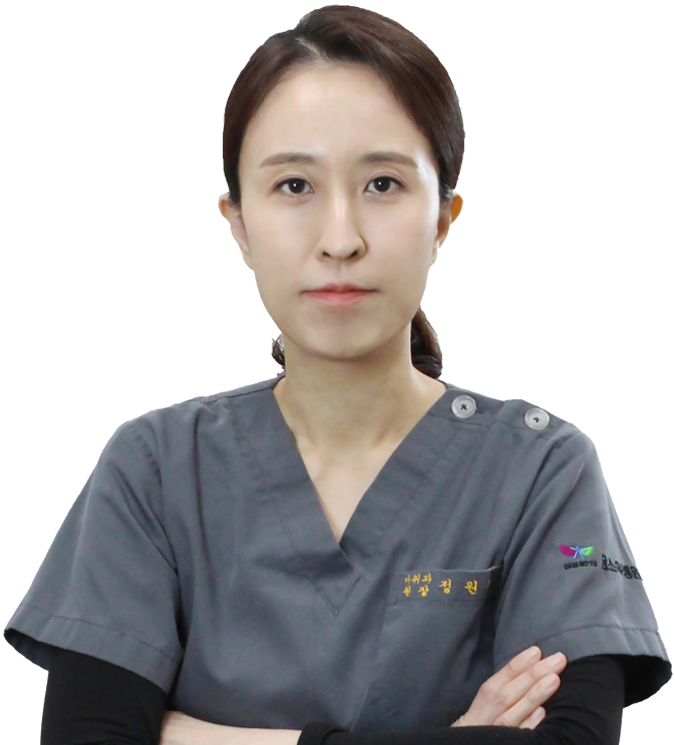
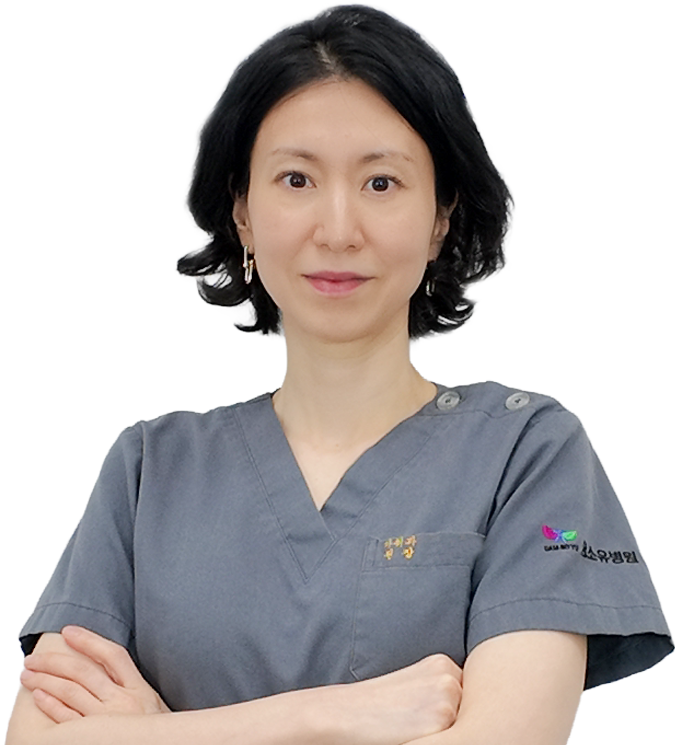
Names are shown in their official Korean spelling.
Team on the official treatment page (Korean) ↗ Meet the clinical team (Korean) ↗This single-center retrospective study examines benign and malignant tumors arising in accessory breast tissue. It helps explain why an underarm lump needs assessment rather than being assumed to be fat.
Return to the study summary and limitations ↑ Read the related research or column ↗Based on Damsoyu Hospital’s clinical pages and FAQs. Linked originals are in Korean unless indicated otherwise. Official website sources checked:
DAMSOYU HOSPITAL
Tell us which procedure you are considering, the reports you have and your preferred visit dates. Contact Damsoyu Hospital for an individual cost estimate.
The booking page is in Korean. Please confirm your preferred consultation language with the hospital.
Information to help you prepare for a consultation. Your care plan is determined after a medical assessment.
Clinical information from Damsoyu (Korean) ↗