
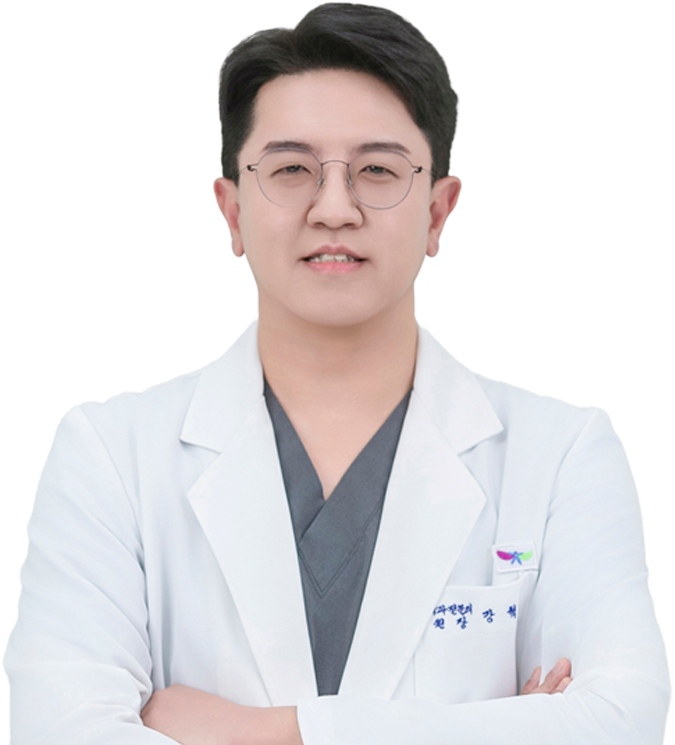
강혁조
Breast and thyroid surgeon
Clinical specialties
- Gynecomastia
- Accessory breast tissue
- Mammotome vacuum-assisted procedures for benign breast tumors; thyroid conditions
DAMSOYU HOSPITAL · BEFORE YOUR VISIT
Considering gynecomastia surgery (male breast reduction) in Seoul? Learn about gland removal, liposuction, costs and recovery at Damsoyu Hospital.
Start with your situation
Gynecomastia involves the development of glandular breast tissue in men and differs from enlargement caused by fat alone. Surgery for gynecomastia is also known as male breast reduction. Damsoyu primarily uses ultrasound to assess the tissue, with mammography when needed. Removal of glandular breast tissue and liposuction address different tissues. The surgeon assesses what is needed for each.
Ultrasound shows whether glandular tissue is present and where it lies. Appearance alone cannot confirm this. The hospital distinguishes gynecomastia caused by glandular tissue from enlargement caused by fat, known as pseudogynecomastia. Further imaging may be needed.
Damsoyu describes the Simon classification, which considers breast enlargement and excess skin.
The classification helps the clinician describe your condition. Photographs or appearance alone cannot confirm the grade, whether you need surgery, or whether insurance applies. These questions need a clinical assessment.
| Term or topic | What it means | What to ask |
|---|---|---|
| Assessment of the cause | Hormonal changes, medicines and other factors can be relevant. | Which changes in my health or medicines should I discuss? |
| Glandular tissue removal and liposuction | Different parts of a possible treatment plan. | Which are proposed in my case, and why? |
| Estimate and insurance | A hospital’s charges and an insurer’s coverage are separate questions. | Which items are included, and what should I send to my insurer? |
Chest size alone does not determine whether surgery is appropriate. Ultrasound helps identify glandular tissue and its distribution. Fat and loose skin also affect the treatment plan; glandular enlargement and predominantly fatty enlargement require different assessments.
If surgery is planned, ask what gland removal and liposuction will each treat. The surgeon will explain the plan based on your examination. Whether you qualify for Korean National Health Insurance coverage is a separate question.
Surgery removes excess glandular breast tissue, while liposuction removes surrounding fat to shape the chest. Damsoyu describes making an incision below the areola. Some fat beneath the gland may be left in place, depending on the case, to reduce the risk of an indentation.
The hospital’s FAQ describes an incision of about 1.5 cm along the lower edge of the areola. The surgeon plans the operation around the amount of glandular tissue and where the fat lies. Removing more glandular tissue or doing more liposuction can affect how long surgery takes. Ask where your incision will be and how much tissue will be removed.
Related research from Damsoyu
Damsoyu researchers reviewed patients undergoing repeat surgery because they were unhappy with chest contour. They distinguished residual gland or fat causing fullness from depressions associated with excessive fat removal.
Aesthetic Plastic Surgery · 2021 · 45:1444–1450
DOI: 10.1007/s00266-020-02124-zThe team uses the consultation and test results to decide whether surgery is needed, then monitors recovery afterward. If you plan to have surgery on the day of your appointment, ask how to prepare and how long to expect to stay when booking.
Bring recent test results, a medication list, and details of previous surgery or anesthesia. Follow the fasting and medication instructions given for your appointment.
Ultrasound, and mammography when needed, help assess gland and fat. The surgeon discusses gland removal, liposuction, loose skin, and the expected chest contour.
The team explains the planned operation and arranges preoperative tests. An anesthesiologist manages anesthesia and monitors you during surgery.
The team checks your recovery from anesthesia and surgery before deciding when you can leave. Before discharge, confirm instructions for meals, wound care, activity, and contacting the hospital.
The official fee schedule lists individual items such as rooms, tests, materials and certificates. A personal surgical estimate depends on the treatment plan and insurance eligibility.
Fees not covered by Korean health insurance (Korean) ↗| Item | What to check |
|---|---|
| Consultation and tests | Which examinations are planned to assess the tissue? |
| Treatment scope | Does the estimate include both glandular tissue removal and liposuction? |
| Anesthesia and supplies | What is included for anesthesia and any recommended garments or supplies? |
| Aftercare | Which wound checks and review appointments are included? |
Use this checklist to ask what applies to your care. Items are not necessarily required or included in an estimate.
Check which charges cover gland removal, liposuction, the compression garment, and follow-up. The hospital's FAQ lists scar injections and laser treatment as separate expenses.
Ask your insurer which documents it needs, then request them from the hospital. Damsoyu offers admission/discharge certificates, treatment/attendance certificates, and medical certificates in Korean or English. Outpatients and patients who have been discharged register and speak with the treating doctor before applying. Inpatients are advised to ask the ward nurse the day before discharge. Check the fee for each document.
Document types and application process (Korean) ↗Ask the hospital how your care will be billed. Ask your insurer whether the proposed treatment abroad is covered, whether prior approval is needed and which documents to keep. Check any Korean health insurance eligibility separately if it is relevant to you.
The hospital FAQ describes gradual changes over approximately two to three months. How the skin settles depends on how loose it was before surgery and on individual skin characteristics. Discuss the skin’s condition and the changes you can expect when planning surgery.
Meet the clinicians listed on Damsoyu Hospital’s official treatment page and explore their clinical specialties.
Breast and thyroid surgeon
Clinical specialties
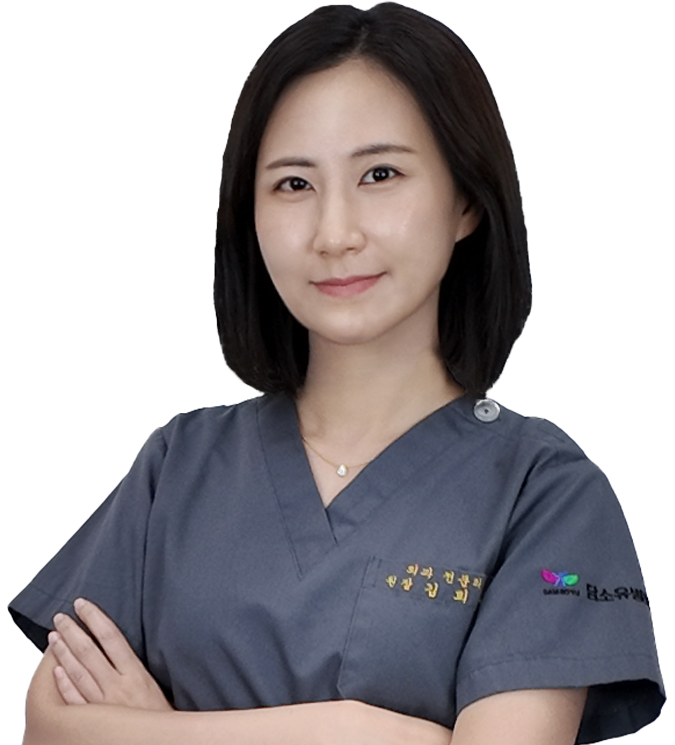
Breast and thyroid surgeon
Clinical specialties
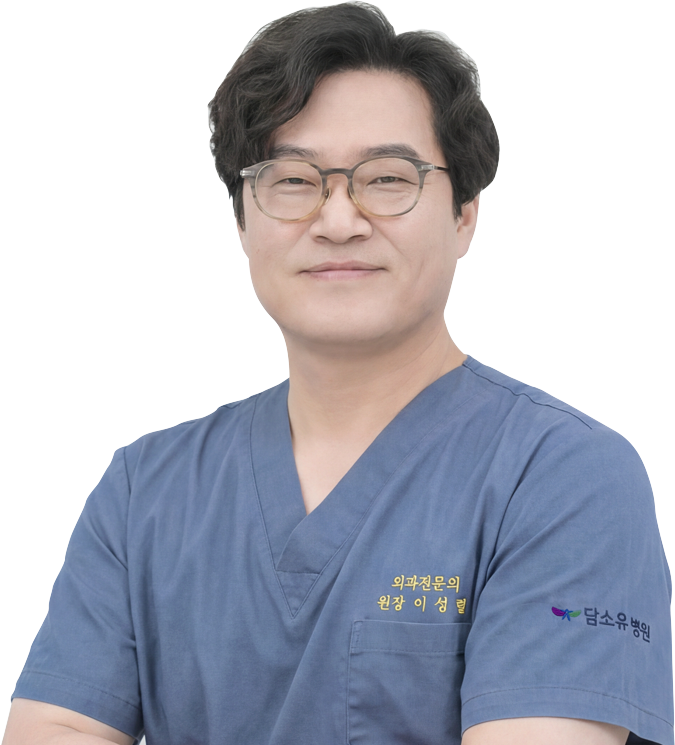
Surgeon · PhD in medicine
Clinical specialties
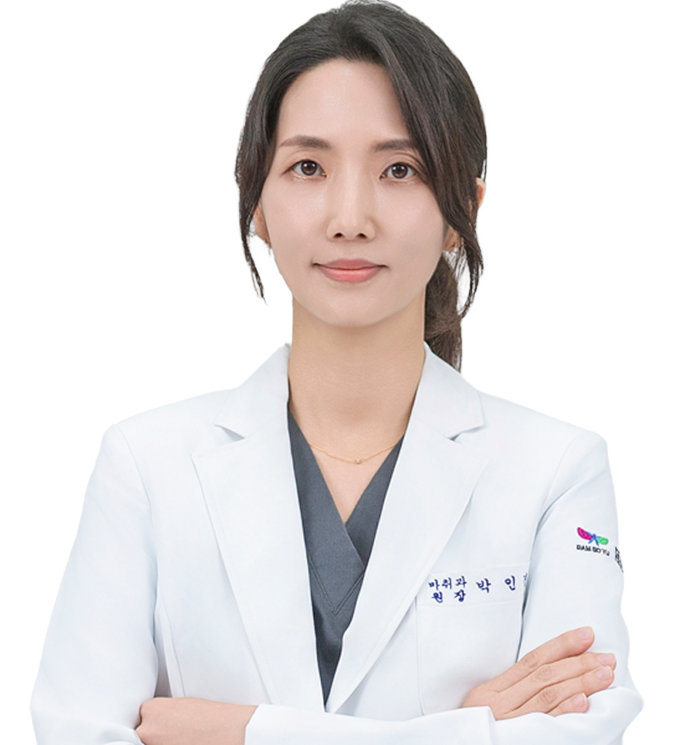
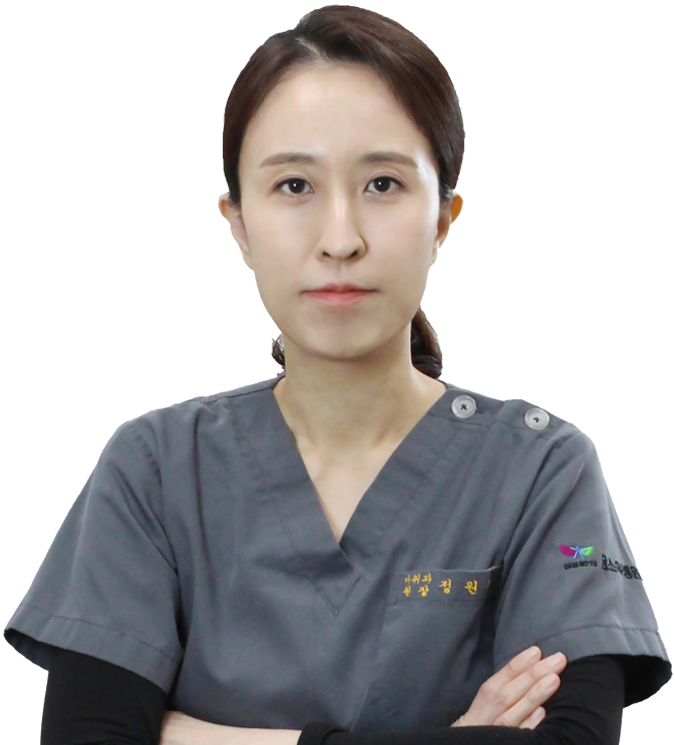
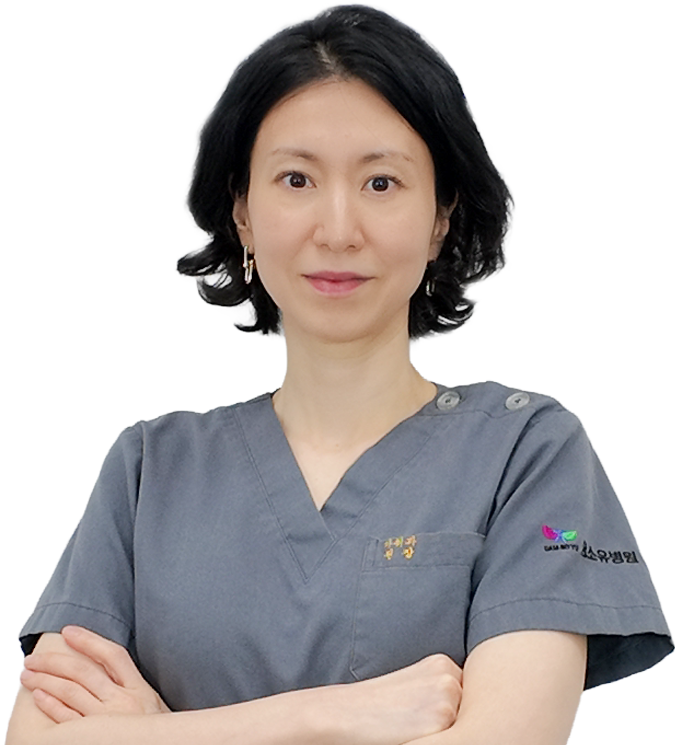
Names are shown in their official Korean spelling.
Team on the official treatment page (Korean) ↗ Meet the clinical team (Korean) ↗This retrospective study looks at cervical alignment in adolescents undergoing surgery. It does not establish that every patient’s posture or neck symptoms will improve.
Return to the study summary and limitations ↑ Read the related research or column ↗Based on Damsoyu Hospital’s clinical pages and FAQs. Linked originals are in Korean unless indicated otherwise. Official website sources checked:
DAMSOYU HOSPITAL
Tell us which procedure you are considering, the reports you have and your preferred visit dates. Contact Damsoyu Hospital for an individual cost estimate.
The booking page is in Korean. Please confirm your preferred consultation language with the hospital.
Information to help you prepare for a consultation. Your care plan is determined after a medical assessment.
Clinical information from Damsoyu (Korean) ↗Damsoyu Hospital · Korean original
Browse summaries of columns already published by Damsoyu Hospital. Each links to the Korean original for the medical team’s explanation and the research discussed.
A study of posture and cervical alignment in adolescents with gynecomastia. The column explains what the researchers observed and why this does not predict an individual patient’s outcome.