
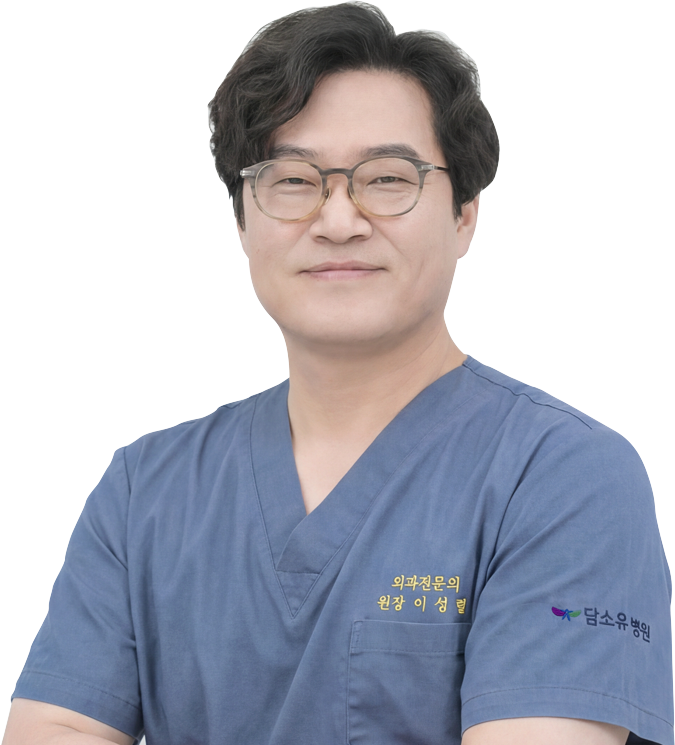
이성렬
Surgeon · PhD in medicine
Clinical specialties
- Pediatric laparoscopic surgery: hernia, hydrocele, undescended testis, hydrocele of the canal of Nuck in girls, and appendicitis
- Adult laparoscopic surgery: inguinal hernia
- Accessory breast tissue
DAMSOYU HOSPITAL · BEFORE YOUR VISIT
Preparing for your child’s inguinal hernia surgery in Seoul? Learn about pediatric hernia repair, anesthesia, costs and care at home at Damsoyu Hospital.
Start with your situation
In children, an inguinal hernia usually involves a passage formed before birth that has remained open, allowing tissue to protrude toward the groin. Damsoyu uses examination and ultrasound, then laparoscopic surgery to identify and close the opening. A recurrent bulge still needs assessment even if it appears only with crying or straining and causes no obvious pain.
If the bulge is visible at home, take a photo or video to show the clinician. The hospital FAQ explains that it may appear when a child cries or strains and disappear when they lie down. A firm bulge that does not go back in, together with marked distress or vomiting, needs immediate medical attention because tissue may be trapped.
A passage between the abdomen and groin that formed before birth may remain open. Tissue can move into it when pressure inside the abdomen rises. The bulge may appear when your child cries or coughs, then disappear when they lie down and relax. A child can have a hernia without obvious pain or changes in normal activity.
At Damsoyu, the clinician examines your child and uses ultrasound to check the hernia. In boys, the position of the testicles is also checked. Photos or videos showing where and when the bulge appears can help if it has disappeared by the time of the appointment.
| Term or topic | What it means | What to ask |
|---|---|---|
| Changes you have noticed | The side, timing and changes in the swelling or discomfort. | What should I describe if the swelling is not visible at the appointment? |
| Pediatric inguinal hernia | A hernia in a child’s groin. | Which area needs treatment and what repair is proposed? |
| Preparation for anesthesia | Instructions about food, drink and medicines for your child. | Where can I check the instructions or report a change in health? |
If your child has a confirmed hernia, the team will assess when to treat it. Young age alone is not a reason to postpone surgery. Damsoyu’s FAQ explains that bowel can become trapped even when the bulge usually comes and goes.
Tell the hospital before the appointment if your child develops a fever, severe cough, bronchitis, or another change in health. The team will reassess the timing of surgery in light of these symptoms and preparation for anesthesia.
Damsoyu uses pediatric laparoscopic instruments, and anesthesiology specialists monitor your child during surgery. When booking, ask about fasting, medicines, and which test results to bring. Tell the team about any fever or significant cough. Follow the fasting instructions given for your child’s age and feeding method.
According to the hospital’s pediatric guide, the surgeon uses 3 mm laparoscopic instruments suited to a child’s smaller anatomy. The camera gives a view of both groin regions from inside the abdomen. Treatment on the other side depends on what the surgeon finds.
The hospital’s guide describes care by an anesthesia team that monitors recovery and a dedicated pediatric nursing team. The team checks how your child is recovering from anesthesia and surgery before deciding when they can go home. The end of the operation alone does not determine discharge.
Related research from Damsoyu
A study involving Damsoyu compared outcomes after purse-string and linear suturing to close the hernia opening. The hospital's accompanying article discusses how forces act on the closure and how this relates to recurrence.
Hernia · 2017 · 21:425–433
DOI: 10.1007/s10029-016-1546-yThe team uses the consultation and test results to decide whether surgery is needed, then monitors recovery afterward. If you plan to have surgery on the day of your appointment, ask how to prepare and how long to expect to stay when booking.
Bring recent test results, a medication list, and details of previous surgery or anesthesia. Follow the fasting and medication instructions given for your appointment.
The team reviews the bulge, any photos or videos, and the examination and ultrasound findings. Tell them about recent respiratory symptoms, medication, and previous anesthesia so they can plan your child’s preparation.
The team explains the planned operation and arranges preoperative tests. An anesthesiologist manages anesthesia and monitors you during surgery.
The team checks your recovery from anesthesia and surgery before deciding when you can leave. Before discharge, confirm instructions for meals, wound care, activity, and contacting the hospital.
The official fee schedule lists individual items such as rooms, tests, materials and certificates. A personal surgical estimate depends on the treatment plan and insurance eligibility.
Fees not covered by Korean health insurance (Korean) ↗| Item | What to check |
|---|---|
| Assessment and tests | Which reports are useful and which further tests are planned? |
| Repair and anesthesia | Which area will be treated, and is anesthesia included? |
| Observation or admission | What stay and room arrangements are included? |
| Care after discharge | How are medicines, wound checks and follow-up visits billed? |
Use this checklist to ask what applies to your care. Items are not necessarily required or included in an estimate.
Check the costs of tests, surgery, anesthesia, recovery monitoring, any hospital stay, and care after discharge separately. Let the hospital know which insurance documents you need so it can explain the application process before you leave.
Ask your insurer which documents it needs, then request them from the hospital. Damsoyu offers admission/discharge certificates, treatment/attendance certificates, and medical certificates in Korean or English. Outpatients and patients who have been discharged register and speak with the treating doctor before applying. Inpatients are advised to ask the ward nurse the day before discharge. Check the fee for each document.
Document types and application process (Korean) ↗Ask the hospital how your care will be billed. Ask your insurer whether the proposed treatment abroad is covered, whether prior approval is needed and which documents to keep. Check any Korean health insurance eligibility separately if it is relevant to you.
Damsoyu offers consultation, tests, surgery, and discharge on the same day. As its main website notes, the discharge date can vary with the patient’s condition. The team checks how your child has recovered from anesthesia and surgery before deciding when they can go home.
Meet the clinicians listed on Damsoyu Hospital’s official treatment page and explore their clinical specialties.
Surgeon · PhD in medicine
Clinical specialties

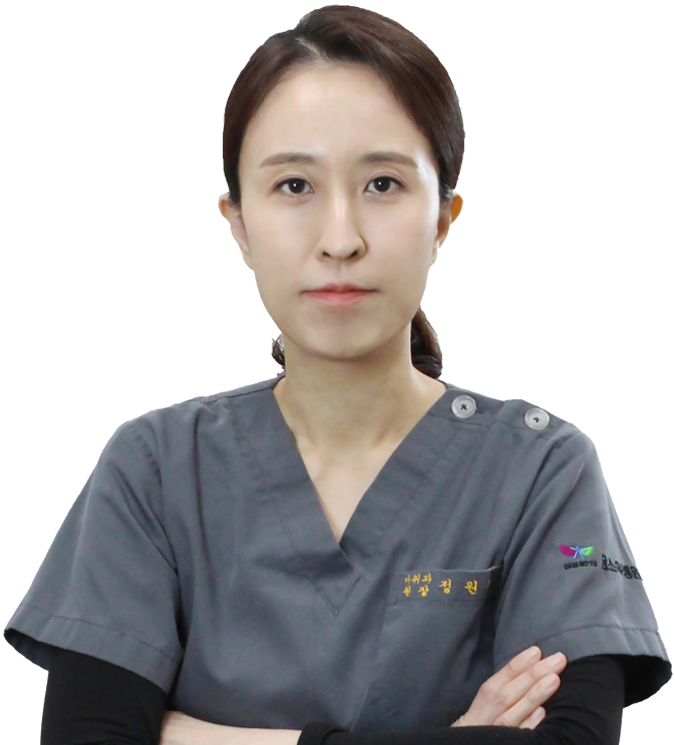
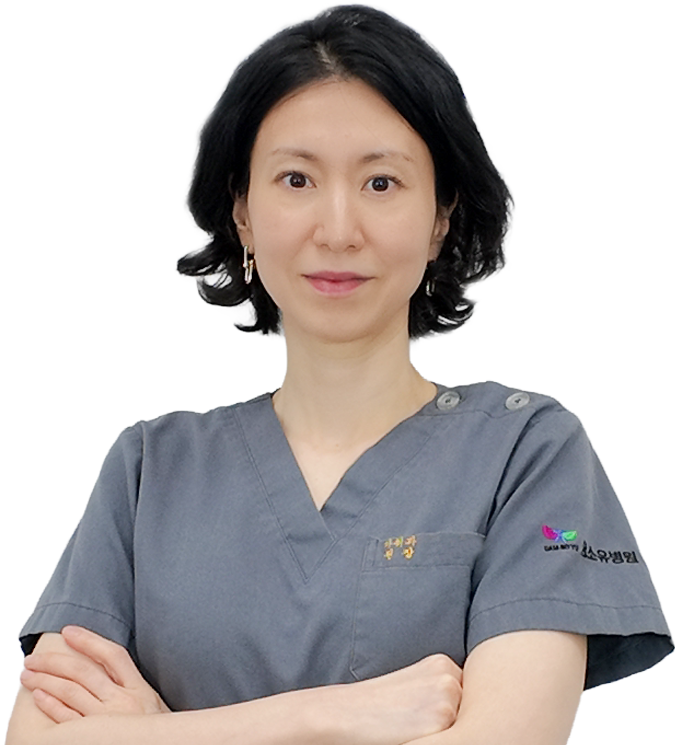
Names are shown in their official Korean spelling.
Team on the official treatment page (Korean) ↗ Meet the clinical team (Korean) ↗Based on Damsoyu Hospital’s clinical pages and FAQs. Linked originals are in Korean unless indicated otherwise. Official website sources checked:
DAMSOYU HOSPITAL
Tell us which procedure you are considering, the reports you have and your preferred visit dates. Contact Damsoyu Hospital for an individual cost estimate.
The booking page is in Korean. Please confirm your preferred consultation language with the hospital.
Information to help you prepare for a consultation. Your care plan is determined after a medical assessment.
Clinical information from Damsoyu (Korean) ↗Damsoyu Hospital · Korean original
Browse summaries of columns already published by Damsoyu Hospital. Each links to the Korean original for the medical team’s explanation and the research discussed.
How a child’s hydrocele can relate to an open inguinal passage, and a study comparing surgery with an additional scrotal incision against a laparoscopic approach.
The principle of closing an open passage in pediatric inguinal hernia, research on suturing, and how childhood hernias differ from adult abdominal-wall weakness.